What Summer Means to Italian Designers: The Places They Actually Go
What does summer actually mean to the people who spend their lives thinking about beauty, taste, and the art of living well?
Vogue Italia asked ten of Italy’s most relevant names in fashion, designers, founders, creative directors, one simple question: what does summer mean to you? The result wasn’t a sponsored hotel roundup or a list of trending destinations. It was something rarer: a collection of genuine refuges. Places where these people go to slow down, remember who they are, and feel free. Here are the places that stayed with me.
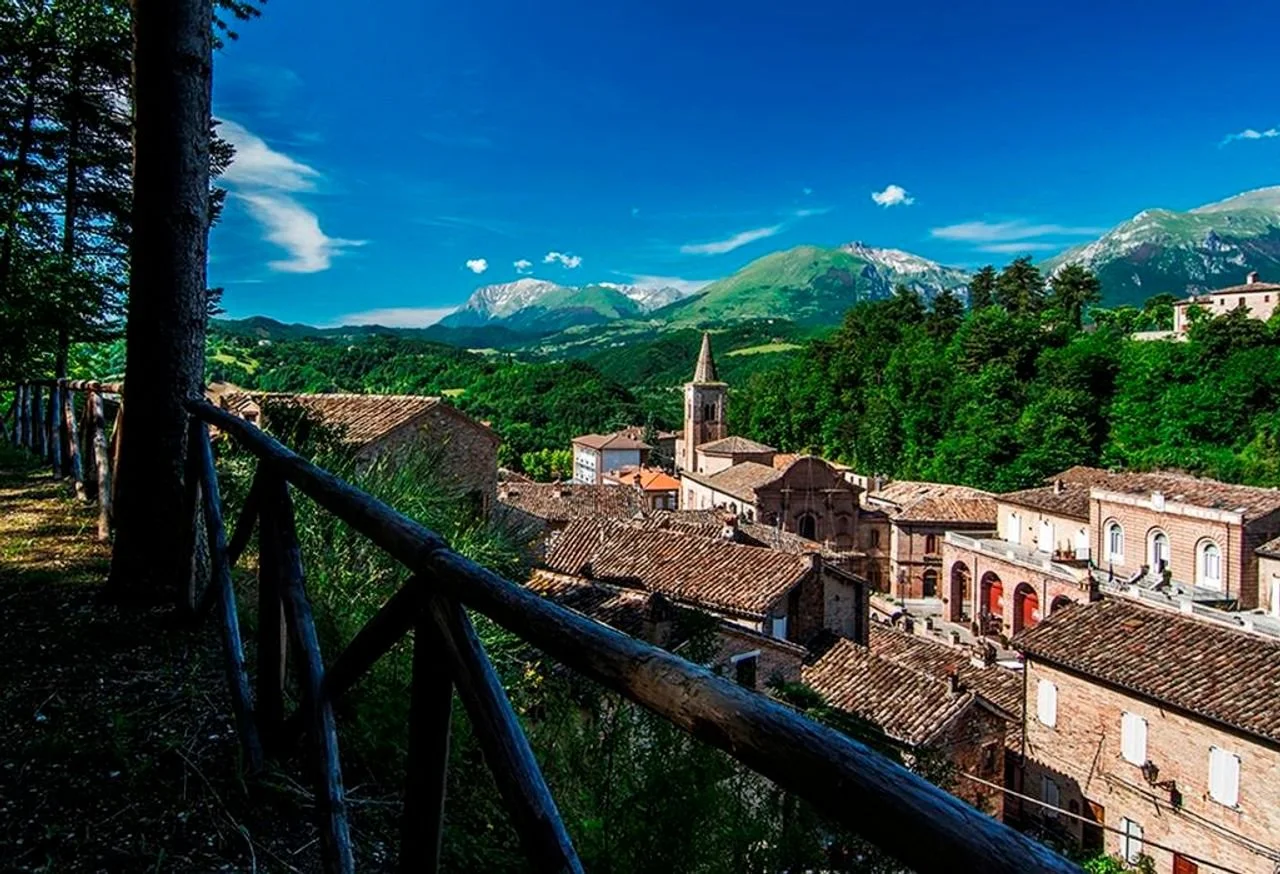
Piazza Risorgimento, Amandola
Sabato De Sarno, Creative Director at Gucci
Amandola is not a name you’d find on a “top destinations” list. It’s a small town in Le Marche, in the foothills of the Sibillini mountains, and that’s precisely the point. De Sarno describes it as the place where things return to their essential form. No performance, no explanation required. Between the mountains and the silence, something disperses and something else is found.There’s something quietly radical about a Gucci Creative Director choosing a piazza in central Italy over the Amalfi Coast. It says everything about what true luxury actually looks like.
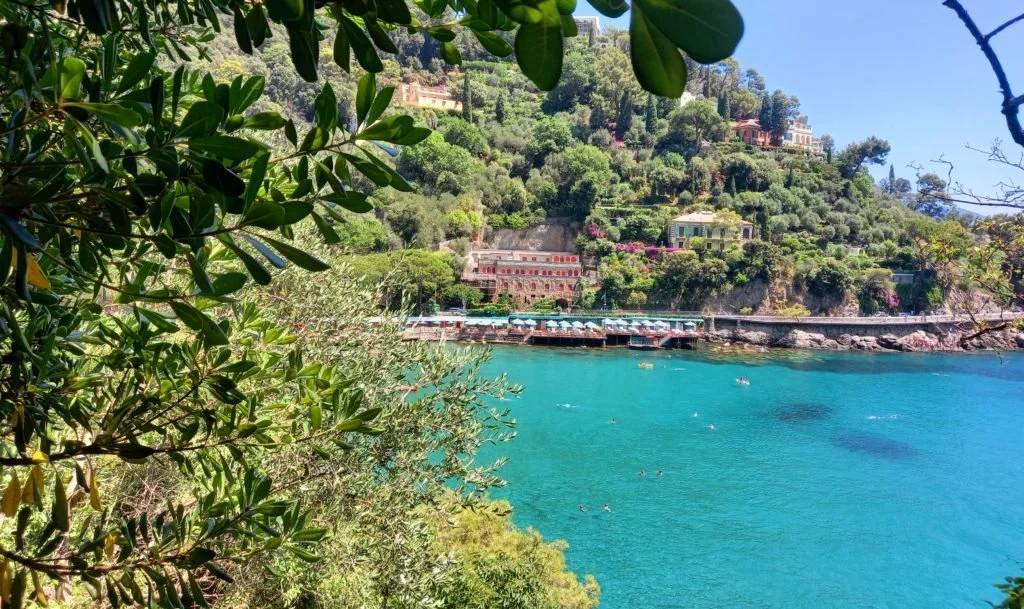
Passeggiata dei Baci, Portofino
Giulia Rossetti, Founder of GIÜRO
Focaccia with a sea view. A stroll along the most romantic promenade on the Italian Riviera. The ice cream her grandmother used to make. Rossetti’s summer is built from things close to home, a half-hour from Milan, yet a world away. Portofino gets a lot of attention, but the Passeggiata dei Baci, the “Walk of Kisses”, feels like the version of the Riviera that belongs to people who actually live near it.
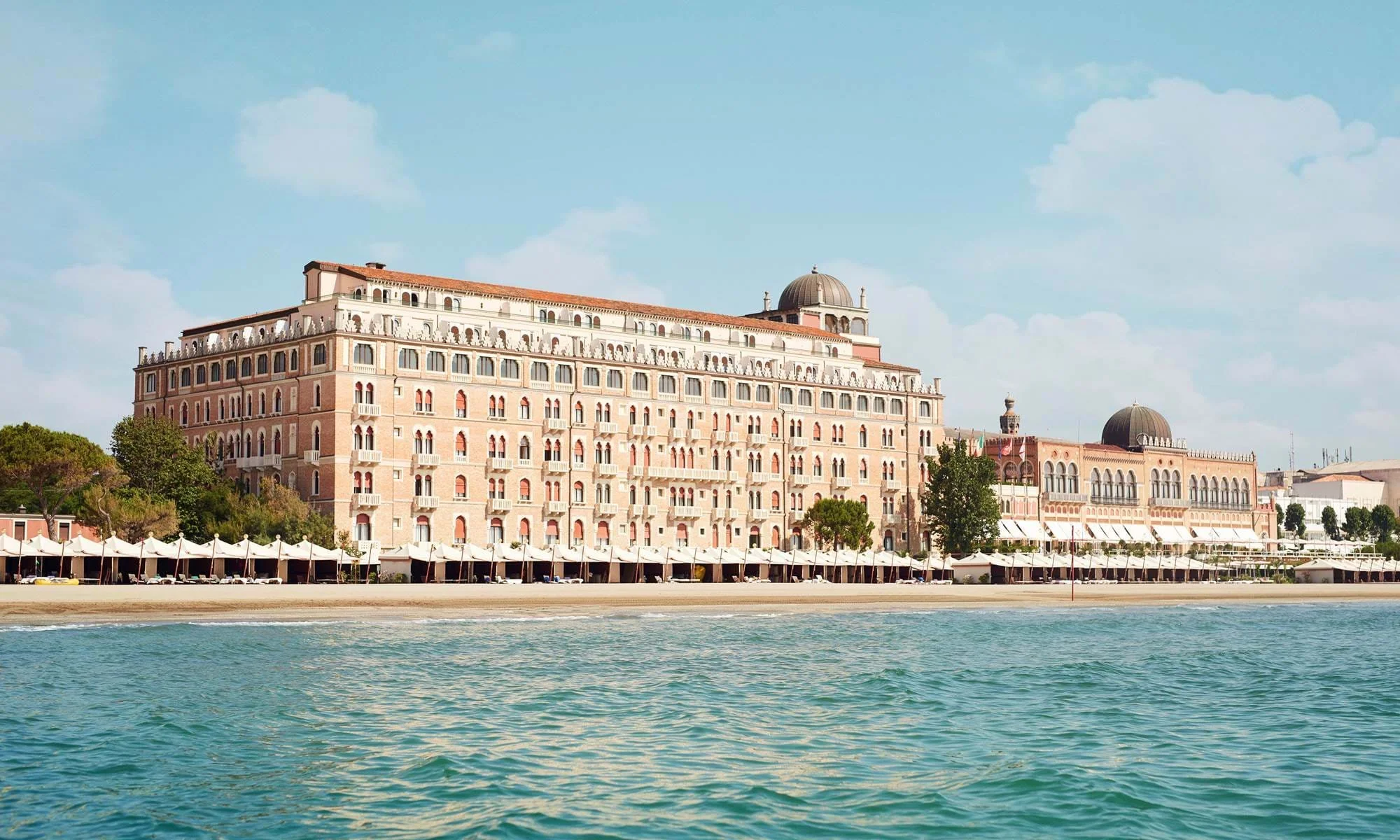
Hotel Excelsior, Lido di Venezia
Vera e Viola Arrivabene, Founders of ViBi
A cabana at the Excelsior. The smell of salt in the air, the muffled sounds, the particular quality of light at the Lido. The Arrivabene sisters describe arriving in the lagoon, visiting the Biennale, then dedicating a full day to doing nothing by the sea, as a complete itinerary in itself.
There’s a version of Venice that belongs entirely to summer: slower, more golden, less crowded. The Lido is that version. The Excelsior, with its Moorish facade and century-old beach culture, is the right backdrop for it.
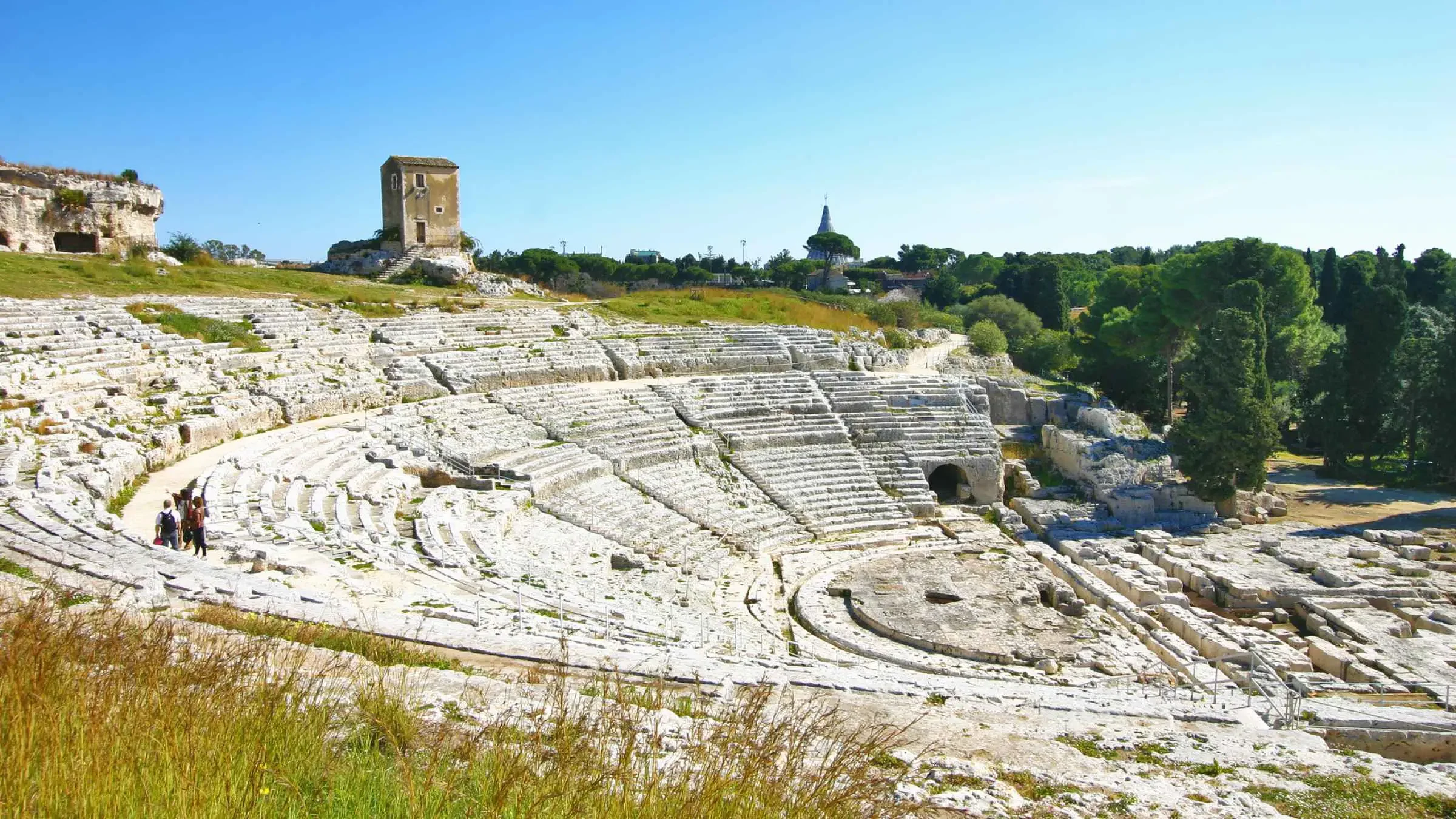
Teatro Greco di Siracusa
Marco De Vincenzo, Fashion Designer & Creative Director
Greek theatre performances in Syracuse as a way of marking the arrival of summer. De Vincenzo’s list moves between Sorrento, the Aeolian Islands, Salina in particular, and the Dolomites, which he discovered recently and describes as a revelation. But it begins and ends in Sicily: the land that never stops surprising him, and where he feels most himself. The Teatro Greco is one of those places that makes you understand why the Mediterranean has always been a place of civilization. Watching ancient drama in a 2,500-year-old theatre, as the sun sets over the sea, is not a tourist experience, it’s a confrontation with time.
Monte Solaro, Capri
Maria Sole Torlonia, Delfina Pinardi & Corrada Rodriguez D’Acri, Founders of Blazé Milano
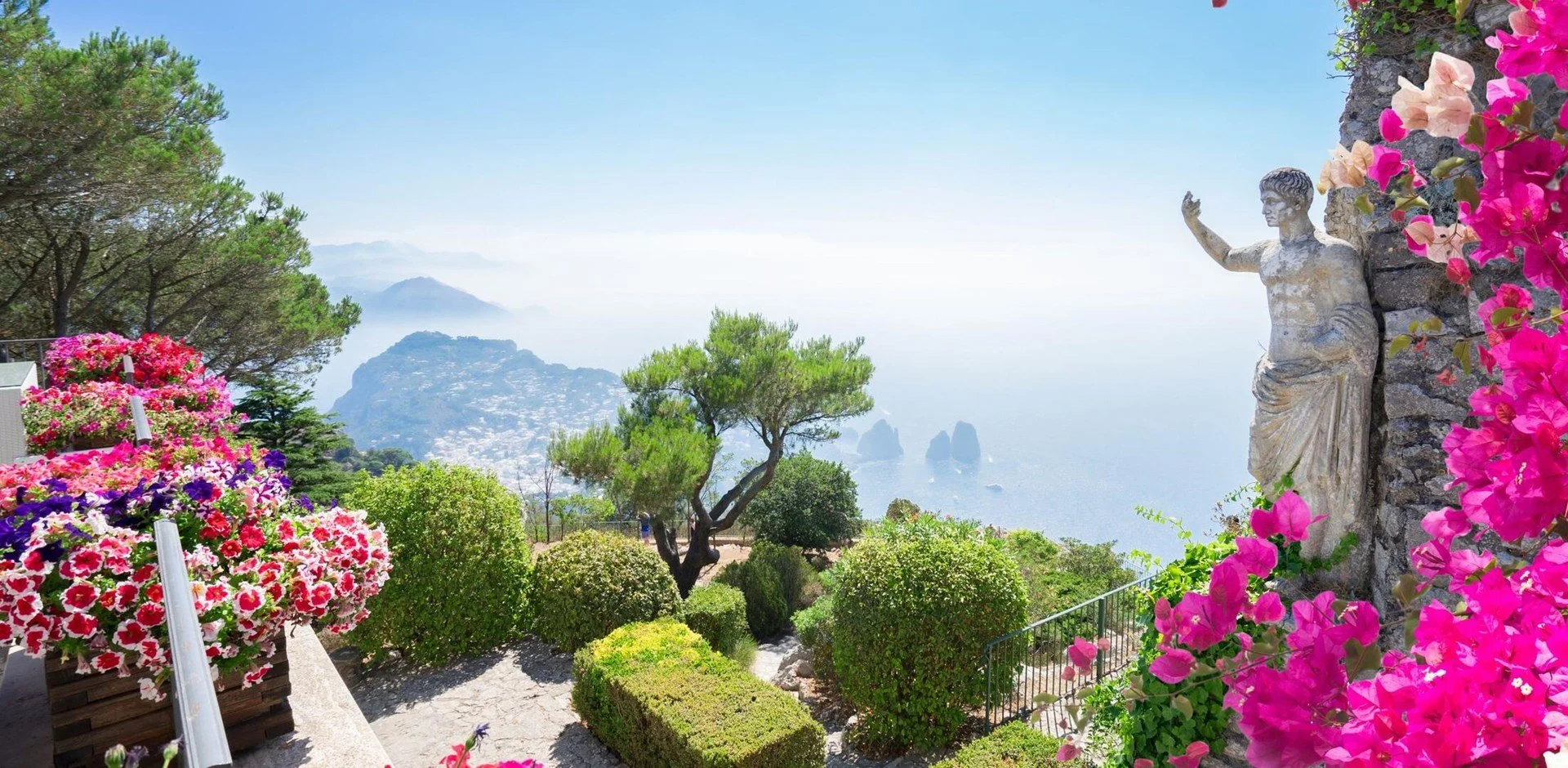
For the Blazé Milano founders, Capri is the constant. Walks up Monte Solaro, lunches at Bagni Tiberio, dinners at Mhare. The island not as a backdrop for being seen, but as a genuinely beloved place, the kind you return to because it holds something of you. Monte Solaro, at 589 metres, gives you the whole island at once: the Faraglioni, the Bay of Naples, on clear days even the Amalfi coast. Getting there by chairlift from Anacapri is one of those small, perfect things that summer is made of.
Al Moudira Hotel, Luxor
Barbara Borghini, Designer & Founder of Giaborghini
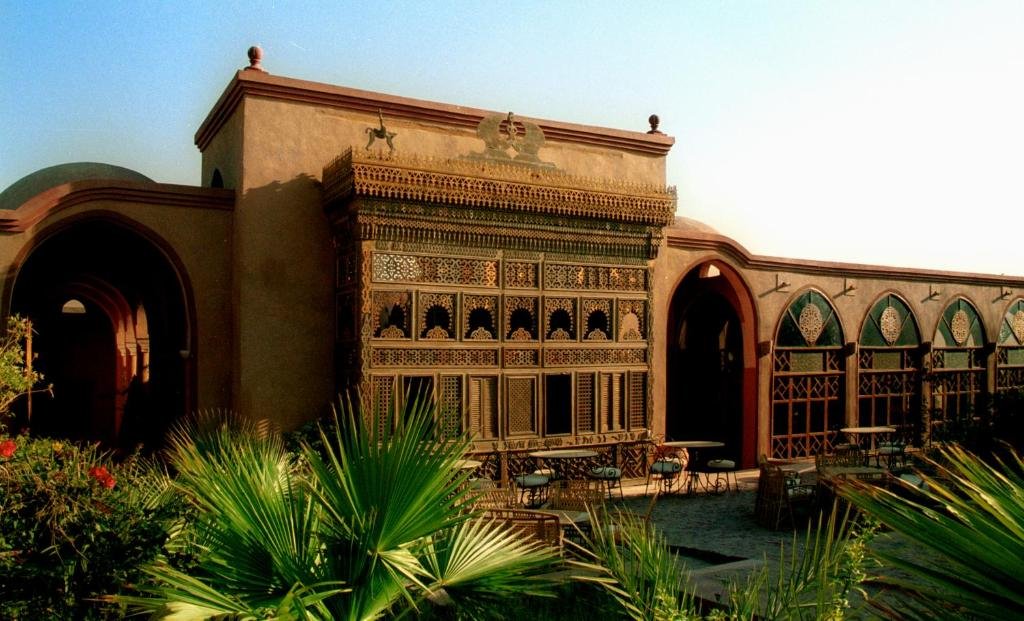
The one destination in this list that breaks entirely from the Italian summer script. Borghini chooses Egypt, not as escape, but as mental pause. Al Moudira is a hotel built in neo-Pharaonic style, surrounded by palm trees and silence, on the west bank of the Nile. She recommends navigating the river on a dahabiya, a traditional wooden sailing boat, between temples and villages. True luxury, she says, is how we choose to live our time. It’s a line worth sitting with.
Ristorante Bar La Vela, Pantelleria
Emiliano Salci & Britt Moran, Founders of DimoreStudio
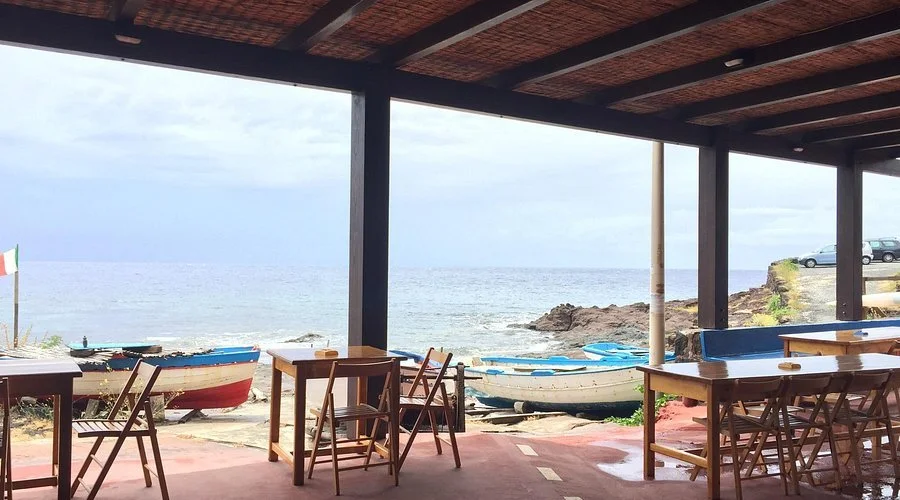
Pantelleria doesn’t try to be anything. The light teaches you attention. The volcanic landscape asks nothing of you. DimoreStudio’s founders begin their days early, when the island is quiet and the colours are at their most concentrated, then lose themselves between the sea and the hills. Their place of the heart is La Vela, in Scauri, simple fish, honest cooking, the island told without artifice. The advice they offer: allow yourself the luxury of slowness. Let yourself be guided by natural rhythms.
Louisiana Museum of Modern Art, Copenhagen
Niccolò Pasqualetti, Fashion Designer
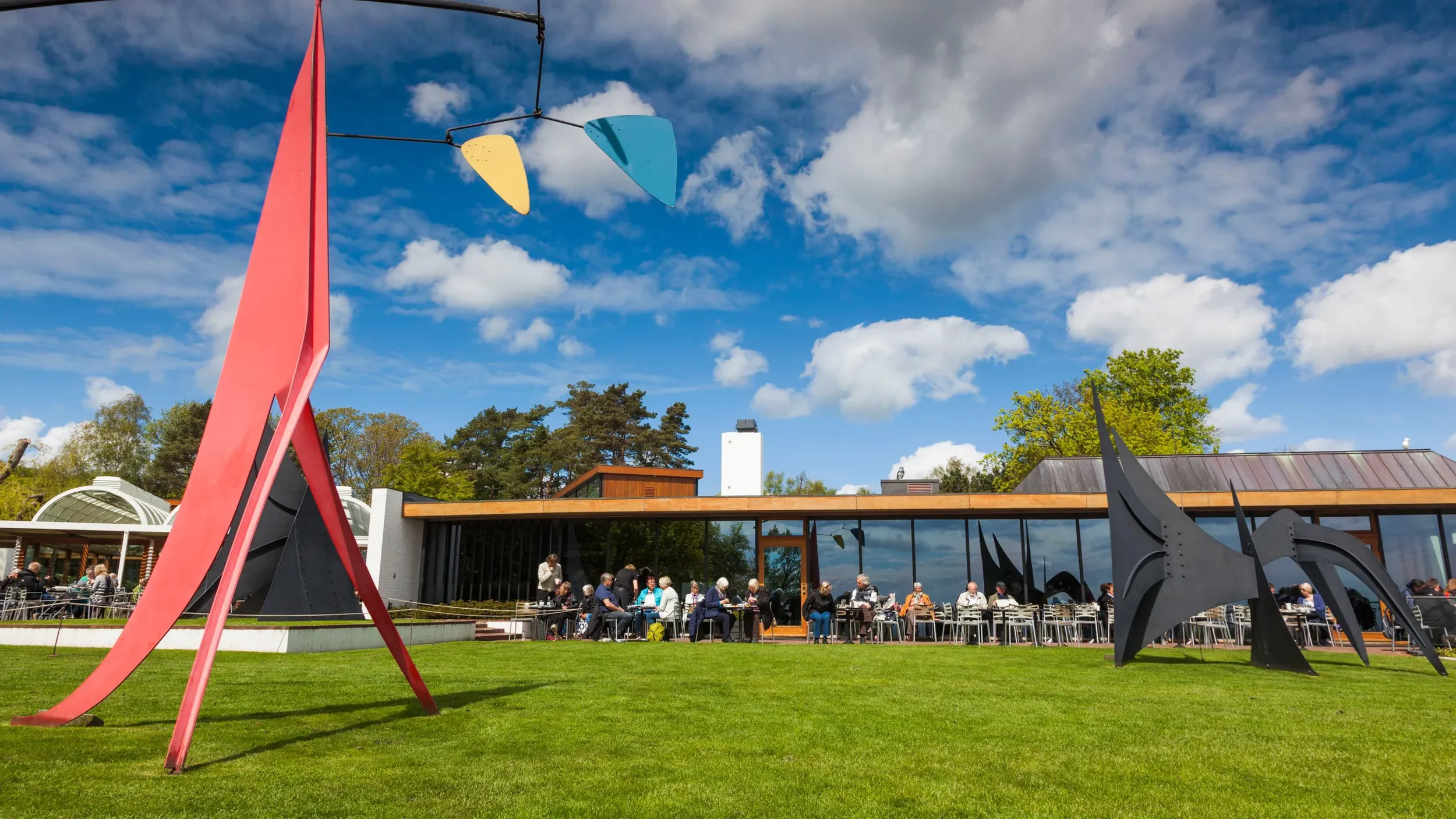
The only museum on this list, and the only northern European destination, which makes it the most surprising and, somehow, the most instructive. Pasqualetti took a last-minute flight to Copenhagen. His best moments happen that way: unplanned, without expectations. The Louisiana, perched above the Øresund strait, is where works by Giacometti exist in extraordinary dialogue with the surrounding landscape. His advice for summer: reduce planned activities to a minimum.
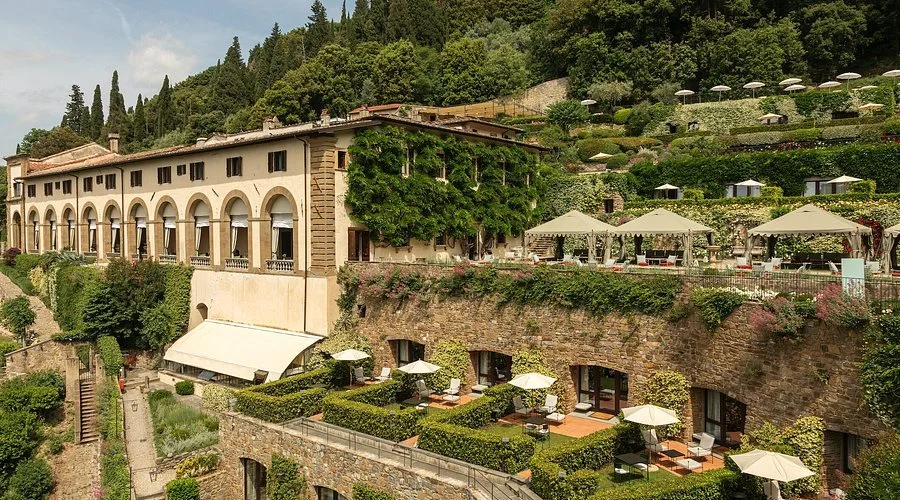
Villa San Michele, Fiesole
JJ Martin, Founder of La DoubleJ
Fifteen minutes from Florence, suspended above the city, a Belmond hotel built into a former monastery. Martin, who lives in Milan, describes the Italian summer as a constant negotiation with the urge to escape, and Villa San Michele as one of her solutions. She mentions Como, Forte dei Marmi, Puglia and Sicily in the same breath, but there’s something about Fiesole specifically: the cypress trees, the view, the sense that Florence below you is both near and entirely irrelevant.
What This List Is Really About
Reading these responses together, what strikes me is not the destinations but the quality of attention they describe. A piazza where things return to the essential. A promenade where focaccia and family are enough. A volcanic island that teaches slowness. A museum discovered by accident. None of these people are describing summer as an achievement or a backdrop. They’re describing it as a practice, a deliberate return to something true.
That, I think, is what L’Estate, Cos’è? is really asking. Not where to go. But how to arrive.
Inspired by the feature “L’Estate, Cos’è?”, Vogue Italia, Summer 2025, curated by Eleonora Giordani.
