Living in Milan: What Nobody Tells You About Life in the City
I moved here in September 2024 from the US, to do my Master's in Luxury Brand Management at Istituto Marangoni. I live in Porta Venezia. I'm still here.
Before I moved, everyone had something to say about Milan. The fashion. The aperitivo. The lifestyle. What nobody mentioned was the rest of it, so here it is.
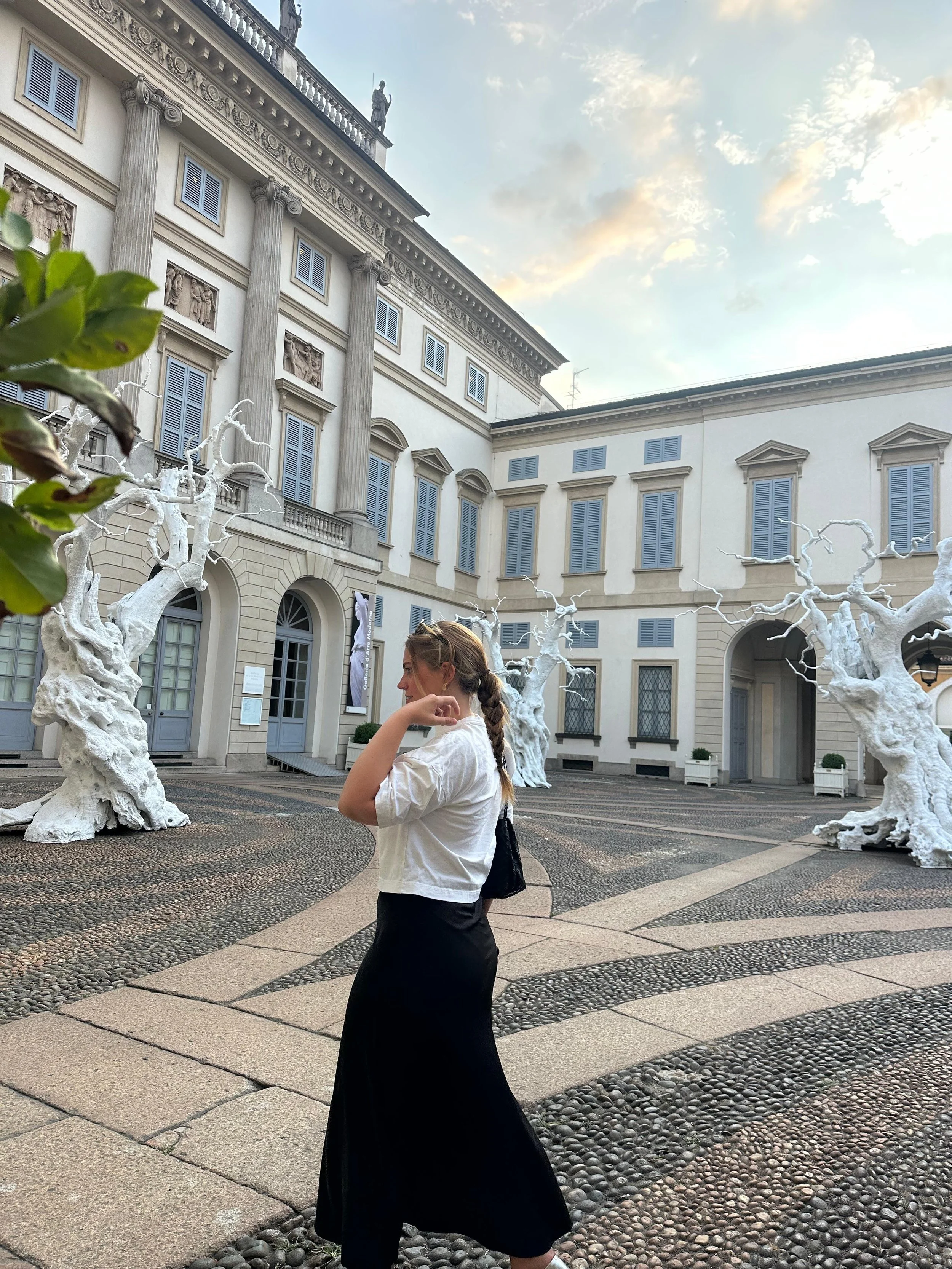
The city is beautiful and it will humble you.
Milan is not Rome, not Florence, not the Italy people picture when they picture Italy. It's grey for a long stretch of the year, it moves fast, and it has a specific social code that takes time to read. People are well-dressed, they notice everything, and they will size you up without saying a word. That's not paranoia. That's just Milanese culture. Once you understand it's not personal, it gets easier. Mostly.
The glamour is real, but it costs.
Rent is expensive. Not New York expensive, but close enough that you'll feel it. Salaries, on the other hand, are not. The gap between what things cost and what most jobs pay here is one of the city's open secrets, and nobody in the fashion and luxury world talks about it enough. If you're coming from the US expecting a comparable package, recalibrate before you land.
Finding work is genuinely hard.
Italian is not enough. You need perfect Italian, the right connections, and often a passport that doesn't require a visa sponsor. I came with Italian citizenship through my mother, which made the bureaucratic side manageable. Without it, my honest advice is to hire an immigration lawyer before you do anything else. The system is not designed to be navigated alone.
The bureaucracy deserves its reputation.
Opening a bank account, registering your residency, dealing with anything government-adjacent: plan for it to take longer than you think, require documents you don't have, and send you to an office that sends you to another office. This is not an exaggeration. Build the time into your timeline and don't let it surprise you.
What nobody romanticizes enough: the location.
This part is real and it's significant. From Milan you can be in the mountains in an hour, on a beach in two, in Paris or Barcelona or Zurich by morning. The lakes, the Dolomites, the Ligurian coast, Tuscany, all of it is close in a way that genuinely changes how you live. I traveled more in one year here than in several years elsewhere, and most of it required very little planning.
The food is not a cliché.
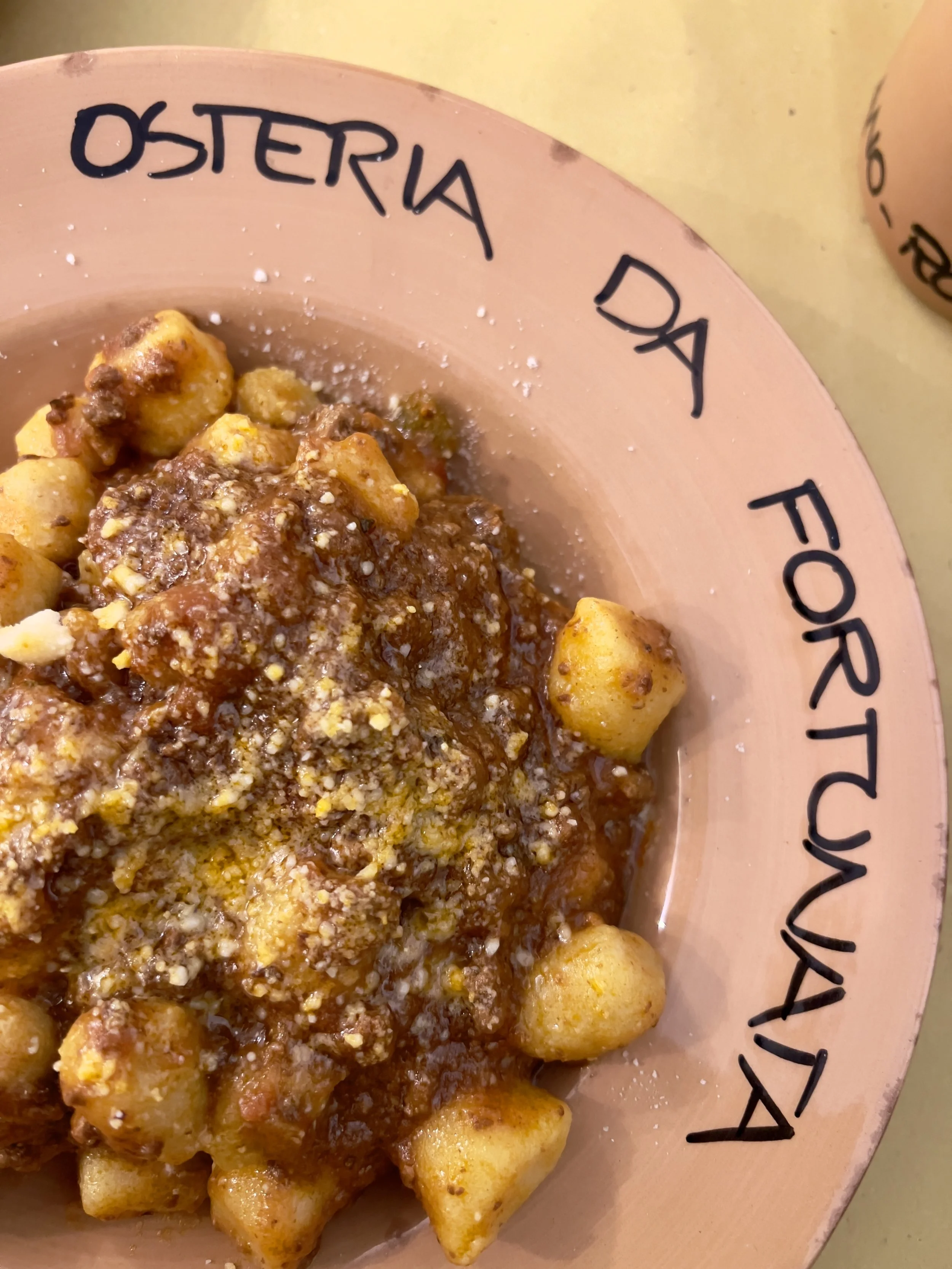
Almost every restaurant is good. Not fine dining good, just good, in the way that suggests people here care about what they eat as a baseline rather than an occasion. The coffee situation is serious. The aperitivo situation is serious. The neighborhood bars that are somehow also cafes that are somehow also where everyone meets at 7pm are one of the better things about daily life in this city.
What I actually missed from the US.
Space. The ability to buy everything in one place and not go back for two weeks. A salary that felt proportional to the work. Driving. The ease of making friends in a language that's also your own. In Italian I can function perfectly, but deep friendships form in the language you dream in, and that takes time and proximity and a level of fluency that goes beyond grammar.
What it actually gave me.
I saw the fashion industry from the inside, not as a concept but as a place with its own politics and hierarchies and people. I traveled more than I ever had. I met people who were extraordinary and people who were the opposite, and both, genuinely, taught me things I couldn't have learned anywhere else. Milan asks something of you, a kind of sharpness and self-sufficiency, and if you're willing to meet it there, what comes back is real. I grew here in ways I didn't expect and wouldn't trade.
None of the hard parts cancel that out. I'm still here.
The romanticized version of living in Milan is not entirely wrong. It's just incomplete. Come for the right reasons, with realistic expectations and ideally an EU passport, and it will give you more than you expect. The bureaucracy is a nightmare, the salaries are humbling, and the social code takes time. So does anything worth doing.
